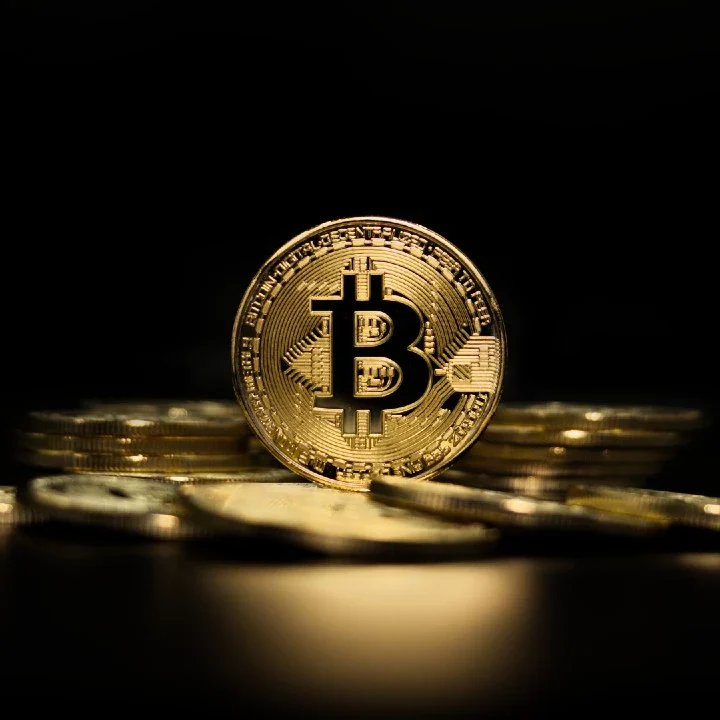
A decentralized digital currency that uses cryptography for security and is not controlled by any government or financial institution.
Transactions with Bitcoin are recorded on a public ledger called the blockchain, which allows for transparency and prevents fraud.
Capped to only 21 Million coins, with emission cut in half every 4 years named halving, Bitcoin is the most scarce asset in the world, more scarce than gold.
more info.1
The problem with conventional currency is all the trust that's required to make it work, the central bank must be trusted not to debase the currency, but the history of fiat currencies is full of breaches of that trust.
Banks must be trusted to hold our money and transfer it electronically, but they lend it out in waves of credit bubbles with barely a fraction in reserve.
.2
Proof of work is modeled on gold mining.
You need to expend energy to create more units of currency.
You can't print them up for free like the federal reserve.
When strong encryption became available to the masses, trust was no longer required.
.3
Bitcoin is the more descentraliced criptocurrency.
No one has control over the network and if is attacked the chain splits creating a fork.
With censureship resistance and limited to only 21 Million coins, make it the first digital scarcity.
To preserve wealth you need to hold a finite asset that can't be debased, with immutable monetary policy.
Bitcoin is the first and only digital non sovereign money in the world, an historical accident that cannot be repeated.
learn more